





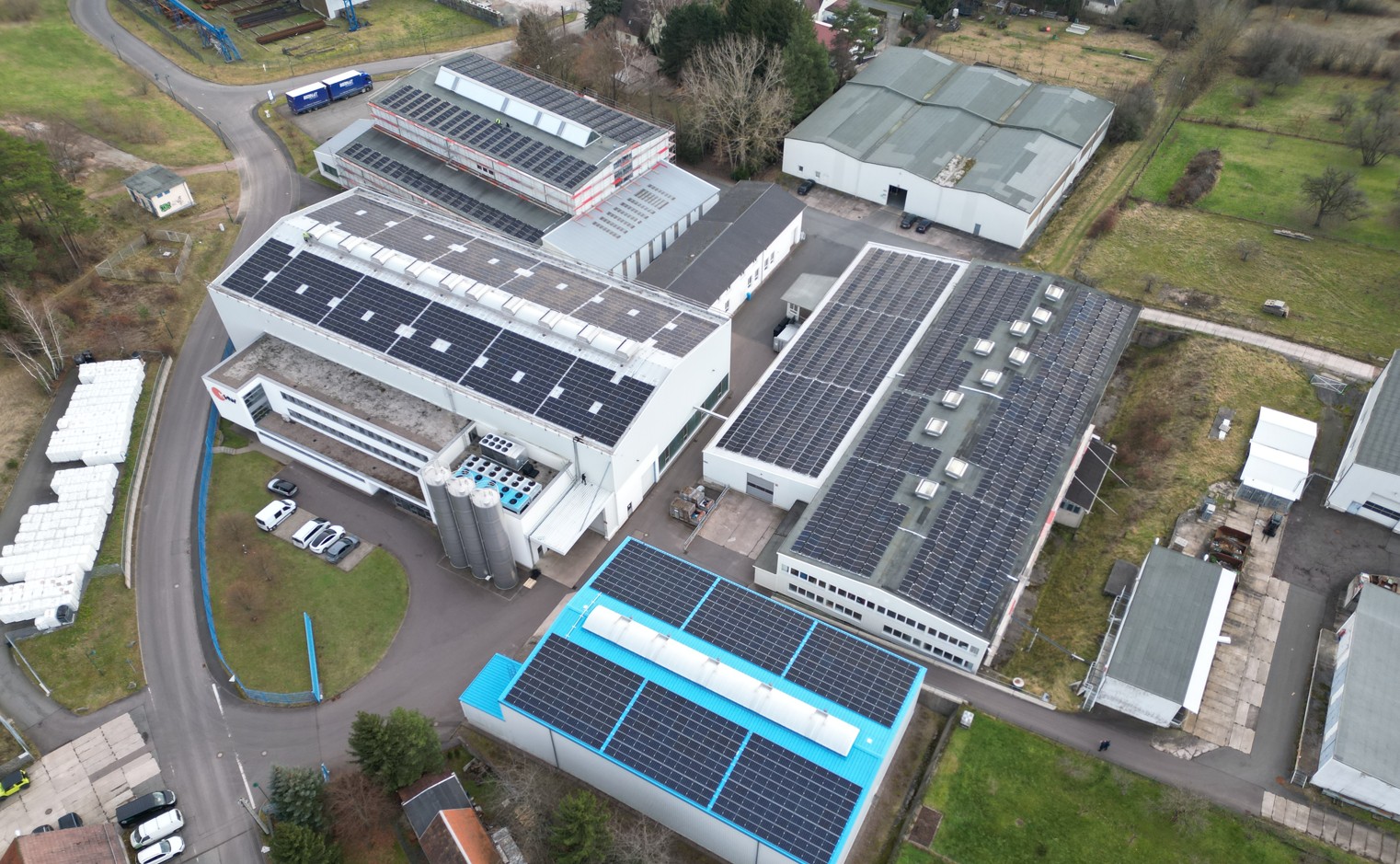
System overview for commercial PV systems
An unplanned addition or a common grid connection point can dramatically change the remuneration and performance class of your commercial PV system. We explain the most important EEG regulations for system aggregation in a compact way:
What are VINK (fully integrated network components)?
What exactly distinguishes a fully integrated grid component (VINK) from a grid booster – and why are grid operators not allowed to simply operate battery storage systems themselves? The article provides an overview.

Location selection for battery storage
Choosing the right location is crucial for determining the feasibility, timeline, and cost-effectiveness of a battery storage project. What requirements apply to grid connection, planning regulations, fire safety, and insurance –

Grid fees for battery storage: exemption, AgNes reform and costs from 2029
The planned AgNes reform will affect the economics of new battery storage systems from 2029 onwards. What deadlines apply for maintaining the existing stock, how high the future network charges could be, and
LCOE vs. LCOS: Power generation costs & storage costs cannot be directly compared
Quick overview Declining costs for renewables: The cost of electricity generated from renewable energy sources is declining in the long term, and in many markets it is now below that of new fossil-fuel power plants.

Energy data management (EDM) vs. energy management system (EMS)
What are the differences, what obligations exist for companies, and what decisions must be made? This article clarifies the terminology and provides clarification.

Voluntary Standard (VS): This changes compared to VSME
The new Voluntary Standard (VS) replaces the VSME and, with the Value Chain Cap, creates for the first time a binding upper limit for sustainability data that is mandatory under the CSRD.

MiSpeL regulation decided: What battery storage systems in industry and commerce are now allowed
Boundary option, lump-sum option, deadlines and special cases: What the new storage regulation of the Federal Network Agency for Industry, Commerce and Co-Location means.
FID for battery storage: The AgNes deadline for net charging fee exemption
The planned AgNes reform sets a strict FID deadline and specific verification criteria. The article shows which orders and contractual obligations are required for this, and which deadlines apply.
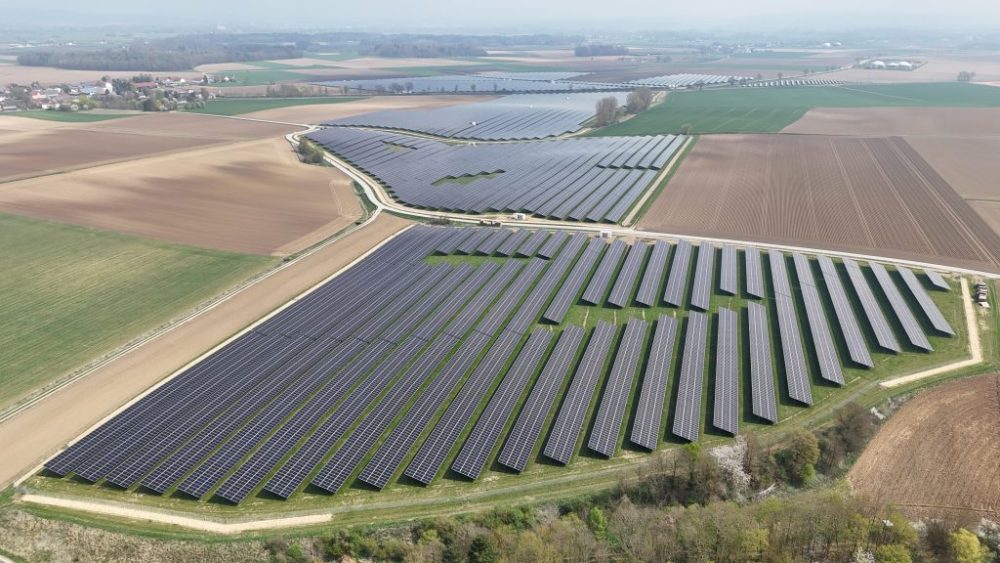
Plant summary according to EEG Section 24 – What is changing as of 2027?
It can have significant consequences for off-site PV: from the obligation to publish tenders to the loss of the right to receive remuneration. The government draft for the EEG 2027 is now intended to address in particular
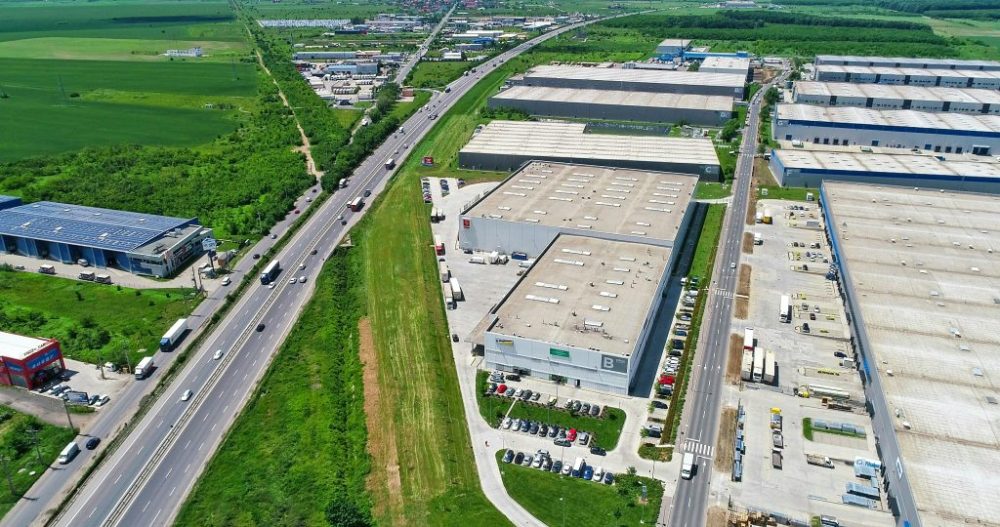
Marktlokation vs. Messlokation: What applies to PV systems & battery storage systems?
What is the difference and what do PV and BESS operators need? The article explains the most important terms and shows why the MaLo-/MeLo-structure is important for measurement concepts, accounting and reporting.
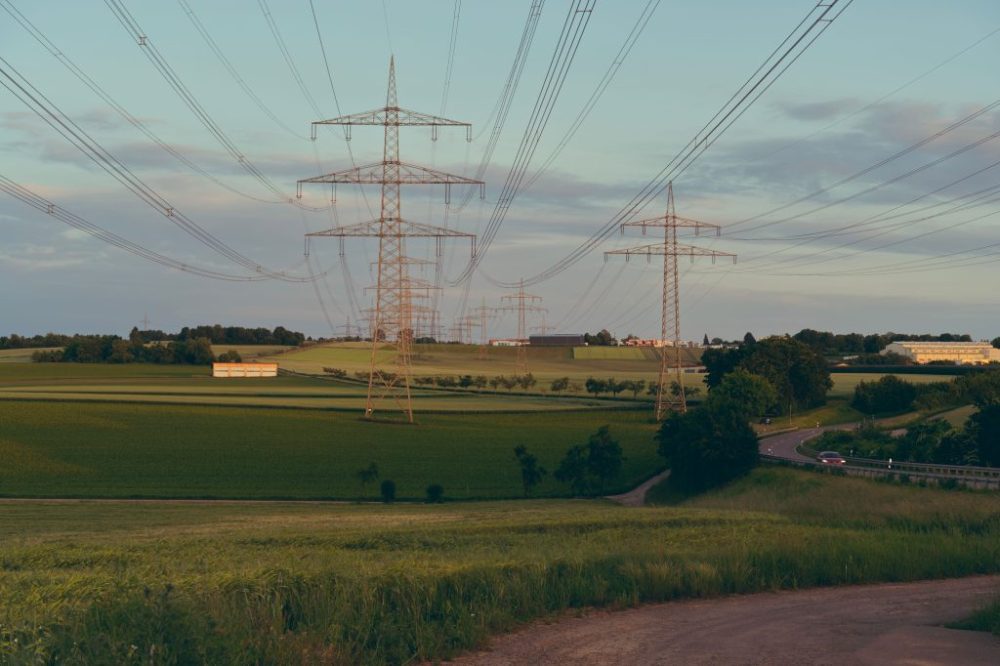
What is Market Coupling? Market Coupling & Cross-Border Electricity Trading at a Glance
Brief overview of functionality, the CACM Regulation, and consequences for electricity prices, cross-border electricity trading, and BESS.

AgNes Deadlines 2027/2029: What applies to battery storage systems now
The pressure is mounting: Investment decisions, proof of compliance and grid connection must be made by 2027 or 2029 in order to secure the 20-year net tariff exemption. Why this is especially important is explained below.
What are VINK (fully integrated network components)?
What exactly distinguishes a fully integrated grid component (VINK) from a grid booster – and why are grid operators not allowed to simply operate battery storage systems themselves? The article provides an overview.
Location selection for battery storage
Choosing the right location is crucial for determining the feasibility, timeline, and cost-effectiveness of a battery storage project. What requirements apply to grid connection, planning regulations, fire safety, and insurance –
Grid fees for battery storage: exemption, AgNes reform and costs from 2029
The planned AgNes reform will affect the economics of new battery storage systems from 2029 onwards. What deadlines apply for maintaining the existing stock, how high the future network charges could be, and
LCOE vs. LCOS: Power generation costs & storage costs cannot be directly compared
Quick overview Declining costs for renewables: The cost of electricity generated from renewable energy sources is declining in the long term, and in many markets it is now below that of new fossil-fuel power plants.
MiSpeL regulation decided: What battery storage systems in industry and commerce are now allowed
Boundary option, lump-sum option, deadlines and special cases: What the new storage regulation of the Federal Network Agency for Industry, Commerce and Co-Location means.
FID for battery storage: The AgNes deadline for net charging fee exemption
The planned AgNes reform sets a strict FID deadline and specific verification criteria. The article shows which orders and contractual obligations are required for this, and which deadlines apply.
AgNes Deadlines 2027/2029: What applies to battery storage systems now
The pressure is mounting: Investment decisions, proof of compliance and grid connection must be made by 2027 or 2029 in order to secure the 20-year net tariff exemption. Why this is especially important is explained below.
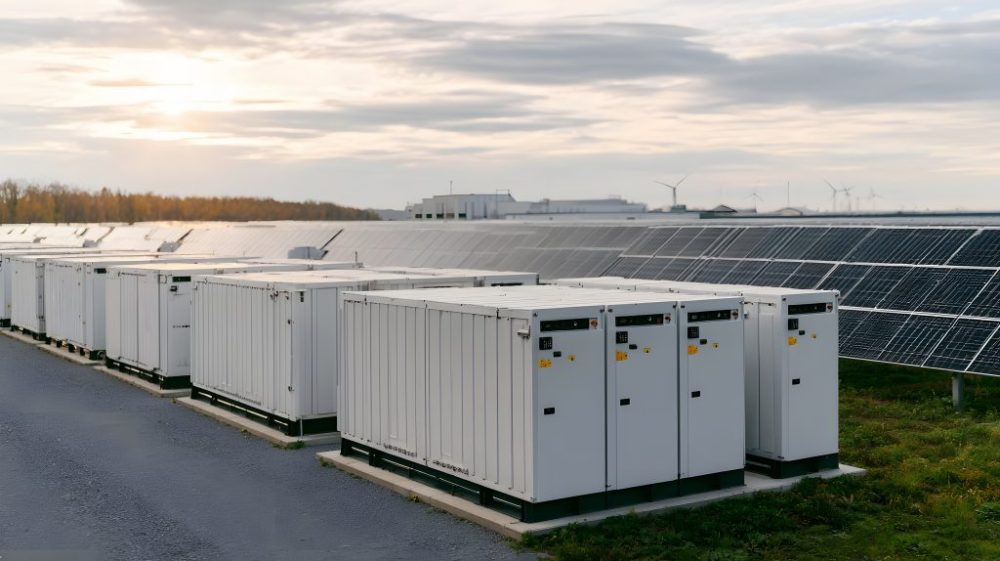
PV and BESS Operator Models: Overview for Commercial & Industrial
Purchase, Contracting, PPA or CPFS: There are now numerous operator models for PV systems and battery storage for commercial and industrial companies. The article highlights the most important differences.,
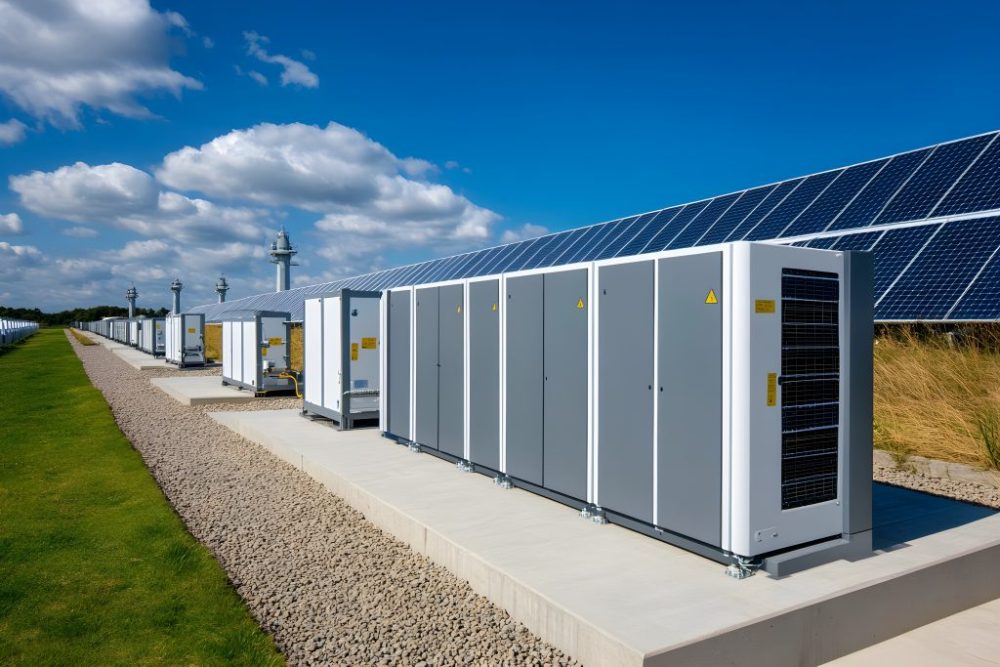
MiSpeL 2026: Regulation enters into force on October 1st and what does that mean for BESS projects?
MiSpeL is considered one of the most important regulatory advances for storage in Germany. In practice, it is now crucial when the new rules will come into effect and how they will be implemented.

Energy Strategies for Data Centers: 100% – Renewables Will Be Mandatory Starting in 2027
Time is pressing: The new regulations present enormous challenges for data centers – and at the same time open up great savings potential. Read about which energy strategies really work now.
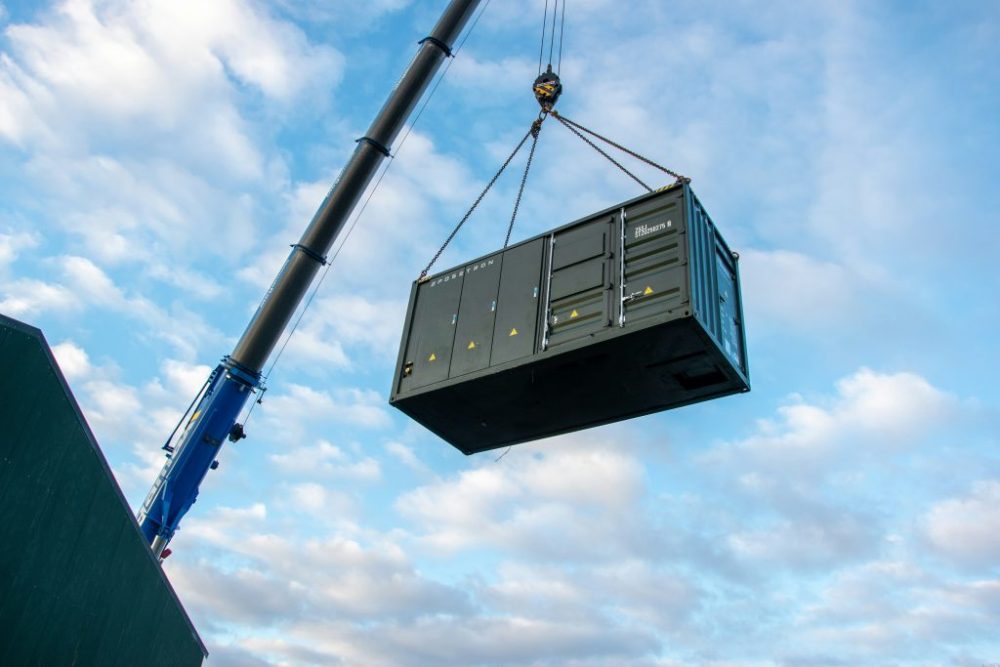
Battery recycling for BESS: EU Battery Regulation & recycling targets up to 2030 at a glance
Battery recycling is becoming mandatory: The EU Battery Regulation is making the end-of-life of BESS a planning topic already today.

Cybersecurity for BESS & PV Inverters: 3 EU Regulatory Frameworks with an 80 % Market Share in China
The NIS-2, the Cyber Resilience Act and possible manufacturer restrictions fundamentally change the requirements for PV systems and battery storage. Our contribution explains which regulatory developments operators and investors should be aware of.
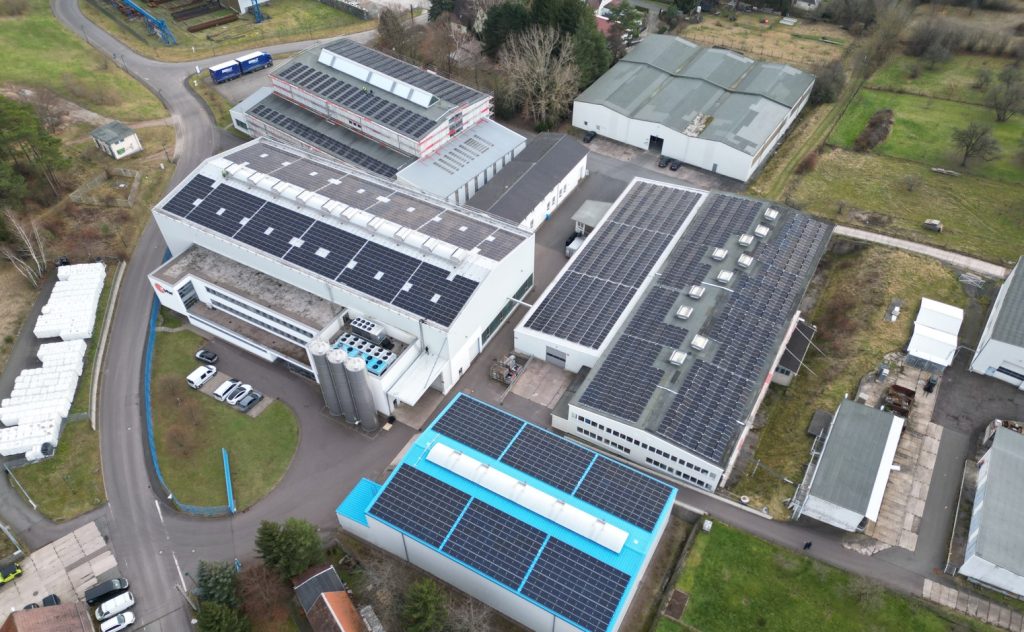
System overview for commercial PV systems
An unplanned addition or a common grid connection point can dramatically change the remuneration and performance class of your commercial PV system. We explain the most important EEG regulations in a compact way.
Plant summary according to EEG Section 24 – What is changing as of 2027?
It can have significant consequences for off-site PV: from the obligation to publish tenders to the loss of the right to receive remuneration. The government draft for the EEG 2027 is now intended to address in particular
PV and BESS Operator Models: Overview for Commercial & Industrial
Purchase, Contracting, PPA or CPFS: There are now numerous operator models for PV systems and battery storage for commercial and industrial companies. The article highlights the most important differences.,
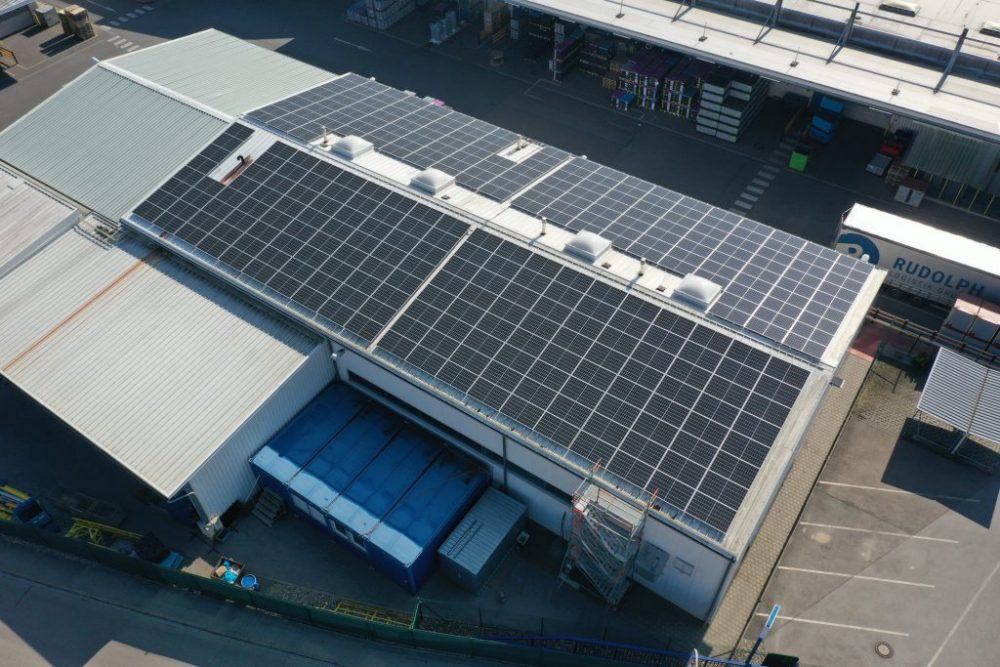
PV systems over 20 years old: What happens after the end of EEG 2023 funding?
For more than 66,000 PV systems, EEG subsidies will end in 2026 alone – but that does not mean the end of the industry. What options do operators of commercial U20 PV systems now have?
Energy Strategies for Data Centers: 100% – Renewables Will Be Mandatory Starting in 2027
Time is pressing: The new regulations present enormous challenges for data centers – and at the same time open up great savings potential. Read about which energy strategies really work now.

Photovoltaics on lightweight halls: Technology, structural analysis & mounting
Large roof areas, flexible use, but often limited load-bearing reserves: Photovoltaics on lightweight buildings pose special requirements for planning and installation. We show which roof types are suitable.
Cybersecurity for BESS & PV Inverters: 3 EU Regulatory Frameworks with an 80 % Market Share in China
The NIS-2, the Cyber Resilience Act and possible manufacturer restrictions fundamentally change the requirements for PV systems and battery storage. Our contribution explains which regulatory developments operators and investors should be aware of.
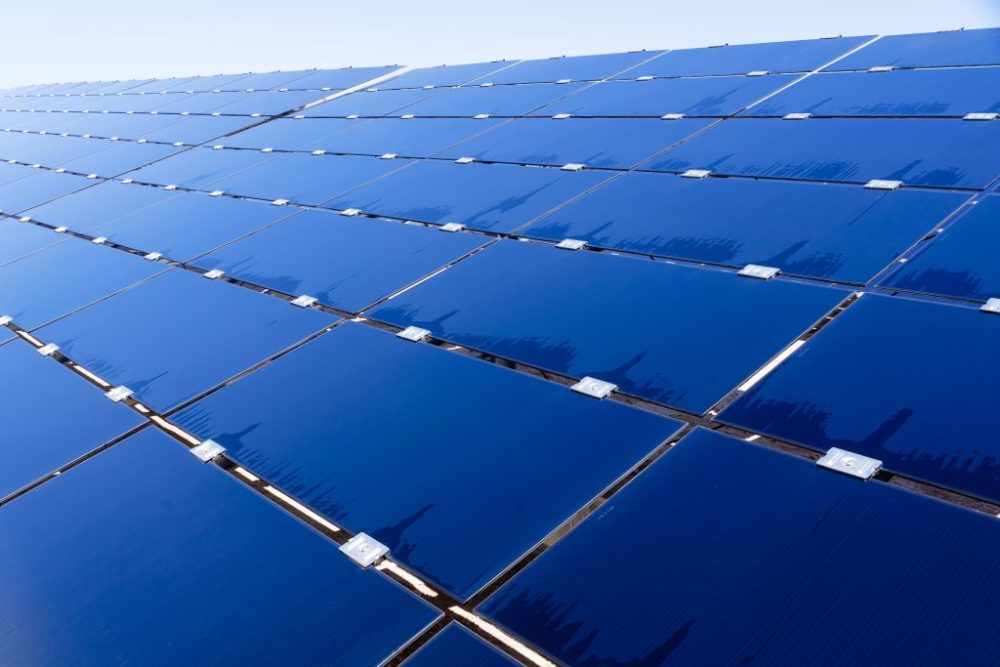
Lightweight modules for low load capacities
Here's how to make photovoltaic systems work even on low-slope roofs. In this article, we'll explore the technology, applications, and cost-effectiveness.
Agnes Interim Report 2026: What industrial customers need to know now
On May 27, 2026, the Federal Network Agency presented the preliminary status of the reform of the General Network Fee System for Electricity (AgNes). It is not yet the final draft,
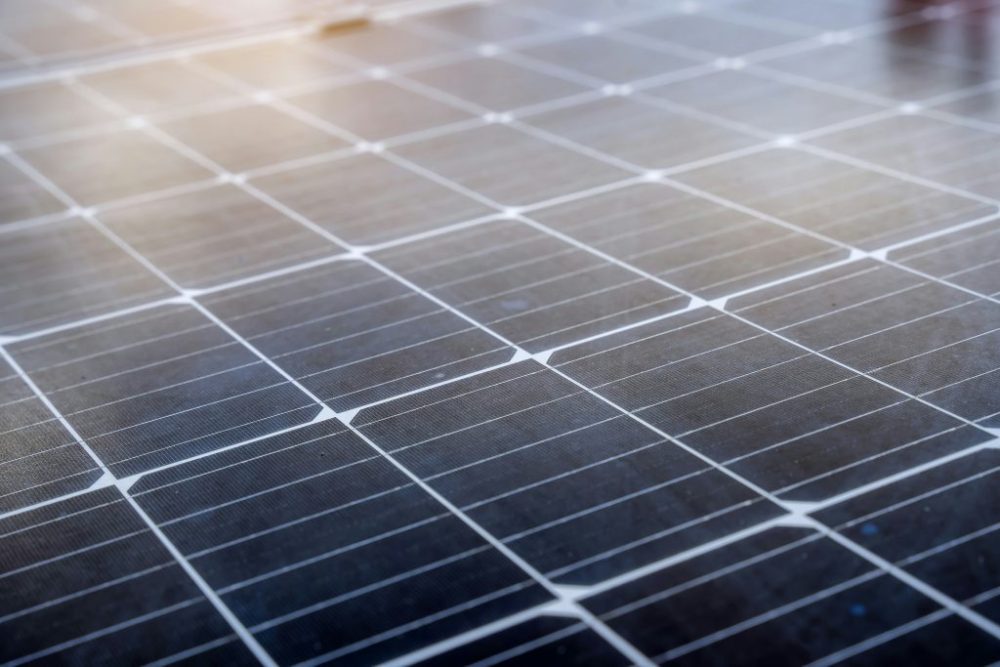
Nationwide Solar Mandate from 2027: What § 106 GModG Means for Commercial Properties
Between ESG requirements, renovation obligations and rising energy costs, photovoltaic power generation for commercial real estate is becoming the regulatory standard. § 106 of the German Renewable Energy Act (GModG) will for the first time from 2027 create a nationwide solar power requirement –
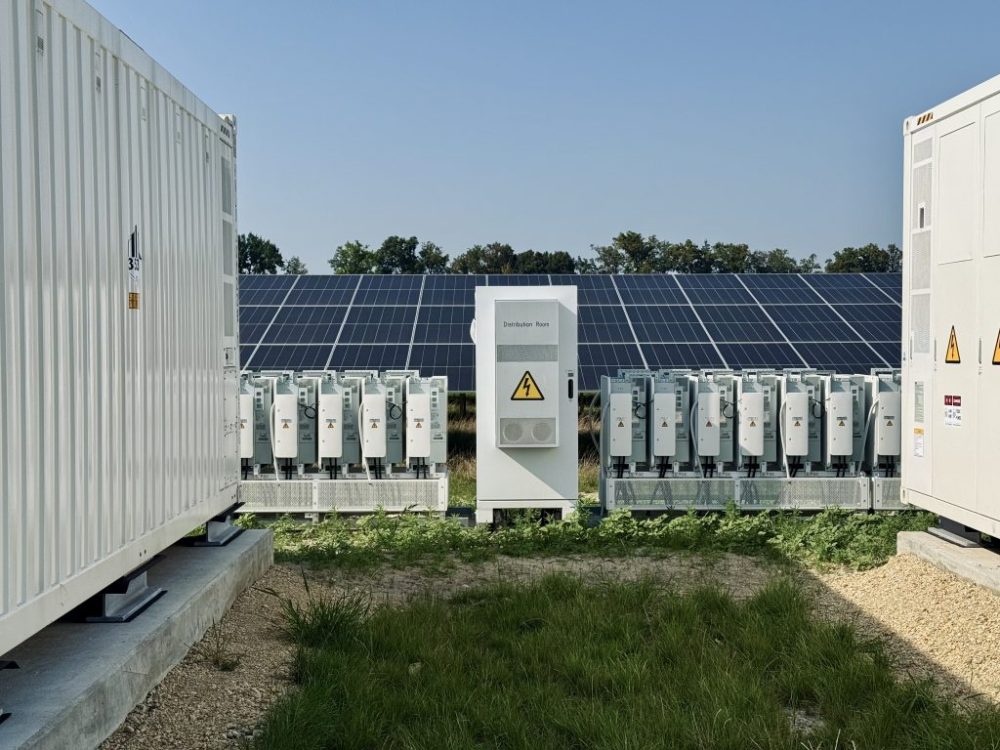
BAFA Federal Funding EEG: What You Need to Know for PV and BESS Projects
The „Federal Funding for Energy and Resource Efficiency in the Economy” (EEW) program offers companies substantial subsidies for energy management systems and efficiency measures – also for photovoltaic (PV) and wind energy systems.
Flexible Connection Agreements (FCAs): Flexible Grid Connections Explained Briefly
They significantly accelerate the grid connection of PV and storage projects and reduce costs. In return, operators forgo guaranteed capacities and bear curtailment risks. The contribution shows:,
System overview for commercial PV systems
An unplanned addition or a common grid connection point can dramatically change the remuneration and performance class of your commercial PV system. We explain the most important EEG regulations in a compact way.

Distribution network operators (VNB) in Germany – tasks, functions & structure
They operate the high-, medium-, and low-voltage networks that bring electricity to households, businesses, and industry over the final kilometers. This article explains the tasks involved.,
What are VINK (fully integrated network components)?
What exactly distinguishes a fully integrated grid component (VINK) from a grid booster – and why are grid operators not allowed to simply operate battery storage systems themselves? The article provides an overview.
Location selection for battery storage
Choosing the right location is crucial for determining the feasibility, timeline, and cost-effectiveness of a battery storage project. What requirements apply to grid connection, planning regulations, fire safety, and insurance –
LCOE vs. LCOS: Power generation costs & storage costs cannot be directly compared
Quick overview Declining costs for renewables: The cost of electricity generated from renewable energy sources is declining in the long term, and in many markets it is now below that of new fossil-fuel power plants.
Energy data management (EDM) vs. energy management system (EMS)
What are the differences, what obligations exist for companies, and what decisions must be made? This article clarifies the terminology and provides clarification.
Marktlokation vs. Messlokation: What applies to PV systems & battery storage systems?
What is the difference and what do PV and BESS operators need? The article explains the most important terms and shows why the MaLo-/MeLo-structure is important for measurement concepts, accounting and reporting.
What is Market Coupling? Market Coupling & Cross-Border Electricity Trading at a Glance
Brief overview of functionality, the CACM Regulation, and consequences for electricity prices, cross-border electricity trading, and BESS.

Gross final energy consumption (GFEC) in Germany: Definition, current figures & development
It is declining in Germany in the long term, while the share of renewable energy has risen to 23.8% in 2025. Why electricity, heat and transport are completely unaffected by this?

Gross electricity generation (GEG) in Germany: Definition, current figures & development
It has decreased significantly in Germany since the record year of 2017, while renewable energy now accounts for more than half of the production. As the
Gross electricity consumption (BSV) in Germany: definition, current figures & development
It currently stands at around 526 TWh in Germany – while the share of renewable energy reaches a new high with 55.1%. As it

Primary Energy Consumption (PEC) in Germany: Definition, Current Figures & Development
It has decreased significantly in Germany since 1990, but has recently stagnated at around 2,930 TWh. What lies behind this figure and how it is calculated
System overview for commercial PV systems
An unplanned addition or a common grid connection point can dramatically change the remuneration and performance class of your commercial PV system. We explain the most important EEG regulations in a compact way.
Grid fees for battery storage: exemption, AgNes reform and costs from 2029
The planned AgNes reform will affect the economics of new battery storage systems from 2029 onwards. What deadlines apply for maintaining the existing stock, how high the future network charges could be, and
Energy data management (EDM) vs. energy management system (EMS)
What are the differences, what obligations exist for companies, and what decisions must be made? This article clarifies the terminology and provides clarification.
Voluntary Standard (VS): This changes compared to VSME
The new Voluntary Standard (VS) replaces the VSME and, with the Value Chain Cap, creates for the first time a binding upper limit for sustainability data that is mandatory under the CSRD.
MiSpeL regulation decided: What battery storage systems in industry and commerce are now allowed
Boundary option, lump-sum option, deadlines and special cases: What the new storage regulation of the Federal Network Agency for Industry, Commerce and Co-Location means.
FID for battery storage: The AgNes deadline for net charging fee exemption
The planned AgNes reform sets a strict FID deadline and specific verification criteria. The article shows which orders and contractual obligations are required for this, and which deadlines apply.
Plant summary according to EEG Section 24 – What is changing as of 2027?
It can have significant consequences for off-site PV: from the obligation to publish tenders to the loss of the right to receive remuneration. The government draft for the EEG 2027 is now intended to address in particular
AgNes Deadlines 2027/2029: What applies to battery storage systems now
The pressure is mounting: Investment decisions, proof of compliance and grid connection must be made by 2027 or 2029 in order to secure the 20-year net tariff exemption. Why this is especially important is explained below.
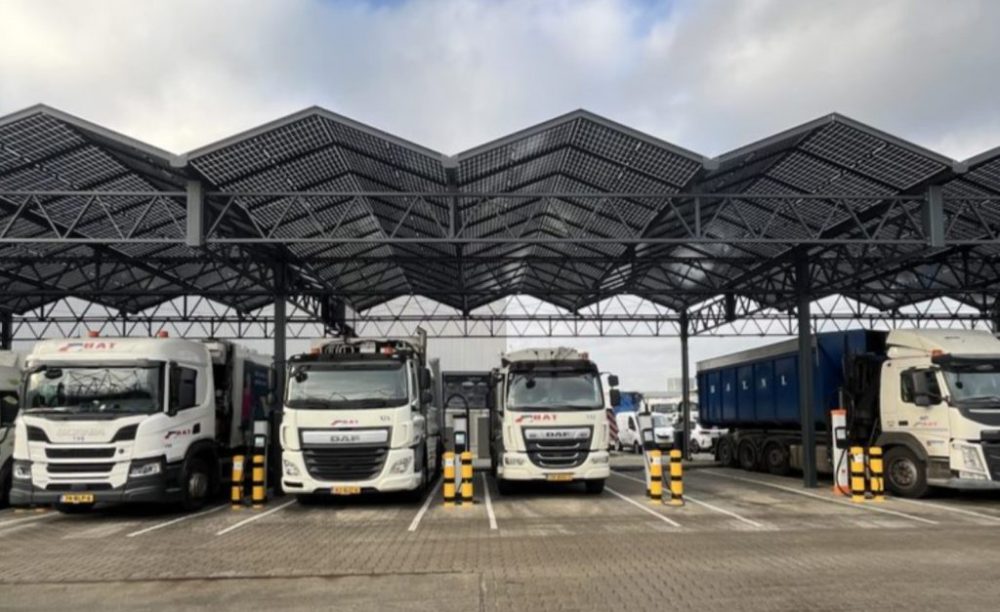
GHG quota for electric trucks: Save twice as much with an electric fleet & PV system
Operating electric trucks offers several economic advantages: the THG quota, toll exemption, and cheaper PV electricity can significantly reduce operating costs. Especially for heavy electric trucks, this is a significant advantage.

Electricity tax for companies: rates, exemptions & reliefs in an EU comparison
It is embedded in every company balance sheet – but the level and scope of relief vary considerably across Europe. The comparison shows where Germany stands with its regulatory framework.
PV systems over 20 years old: What happens after the end of EEG 2023 funding?
For more than 66,000 PV systems, EEG subsidies will end in 2026 alone – but that does not mean the end of the industry. What options do operators of commercial U20 PV systems now have?

EEG 2027 & Grid Package: Cabinet Decision on the Refinancing Contribution (CfD) at a Glance
Status: August 12, 2026 | This article is based on the cabinet decision on EEG 2027 and the network package of July 29, 2026. The legislative process is still ongoing.

What are fuel-switch power plants? Efficiency, costs & opportunities
They are supposed to secure the coal phase-out and stabilize the electricity supply during periods of darkness. But how efficient, economical, and sustainable is the transition from coal to gas?
GHG quota for electric trucks: Save twice as much with an electric fleet & PV system
Operating electric trucks offers several economic advantages: the THG quota, toll exemption, and cheaper PV electricity can significantly reduce operating costs. Especially for heavy electric trucks, this is a significant advantage.
Cybersecurity for BESS & PV Inverters: 3 EU Regulatory Frameworks with an 80 % Market Share in China
The NIS-2, the Cyber Resilience Act and possible manufacturer restrictions fundamentally change the requirements for PV systems and battery storage. Our contribution explains which regulatory developments operators and investors should be aware of.
Why flexibility is becoming mandatory for companies in the energy sector
Rising energy costs, new grid fees and stricter regulatory requirements fundamentally change the rules of the game for companies. Find out why flexible energy systems with PV, battery storage and EMS are the future.

ESG Scoring and Rating of Real Estate – Methods, Standards & New Requirements
A high ESG score increases market value and improves financing conditions. Decision-makers are now optimizing the „E“ criteria specifically through PV systems, battery storage systems, and energy management systems (EMS), as these technologies
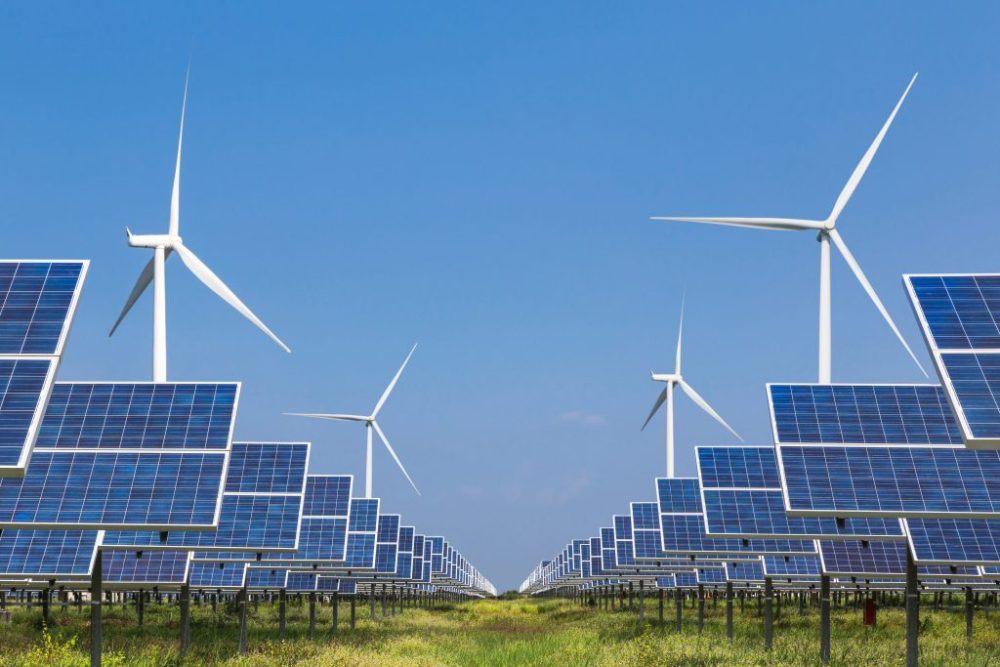
Hellbrise (bright breeze) as a risk to grid stability?
To utilize the oversupply of wind power for grid service, battery storage, sector coupling, and flexible loads (demand side management) are essential. Instead of regulating systems, these technologies enable:,

DIN V 18599 for building planning with modern energy systems
The standard evaluates the complex interactions between zones, technology, and the self-use of solar power in commercial buildings. It forms the legal basis for energy certificates and is essential.,

Modern hall heating: reduce costs, increase efficiency
Infrared room heaters heat surfaces directly instead of the air, which minimizes energy losses and reduces CO₂ emissions by up to 70%. With an efficiency of 93%, they provide a pleasant and comfortable environment.

Efficiency through modern energy management systems (EMS)
A cloud-based EMS centralizes all energy flows on a single platform and automates the creation of ESG and CSRD reports at the touch of a button. It flexibly manages sectors

Successful Energy Concepts for Businesses: Reduce Costs, Secure Energy, Plan for the Future
A successful energy concept combines energy efficiency, PV self-generation, and battery storage into an economical control instrument. By reducing the base load and intelligently managing loads, companies can permanently reduce their energy costs.
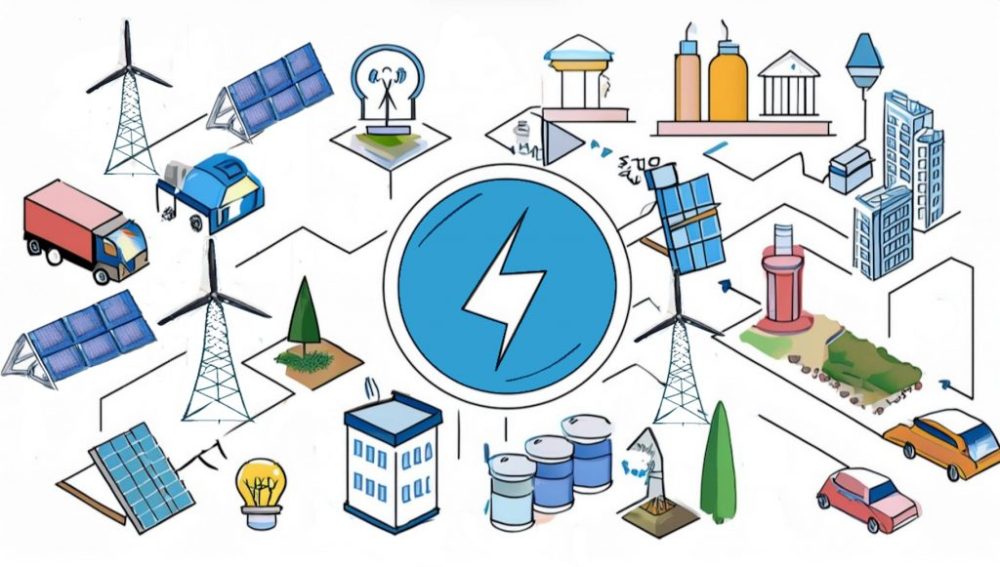
Sector Coupling – for interconnected energy systems in companies
Through power-to-heat, battery storage, and intelligent charging management, companies convert volatile energy into usable heat or drive power. A central energy management system (EMS) controls these sectors dynamically,
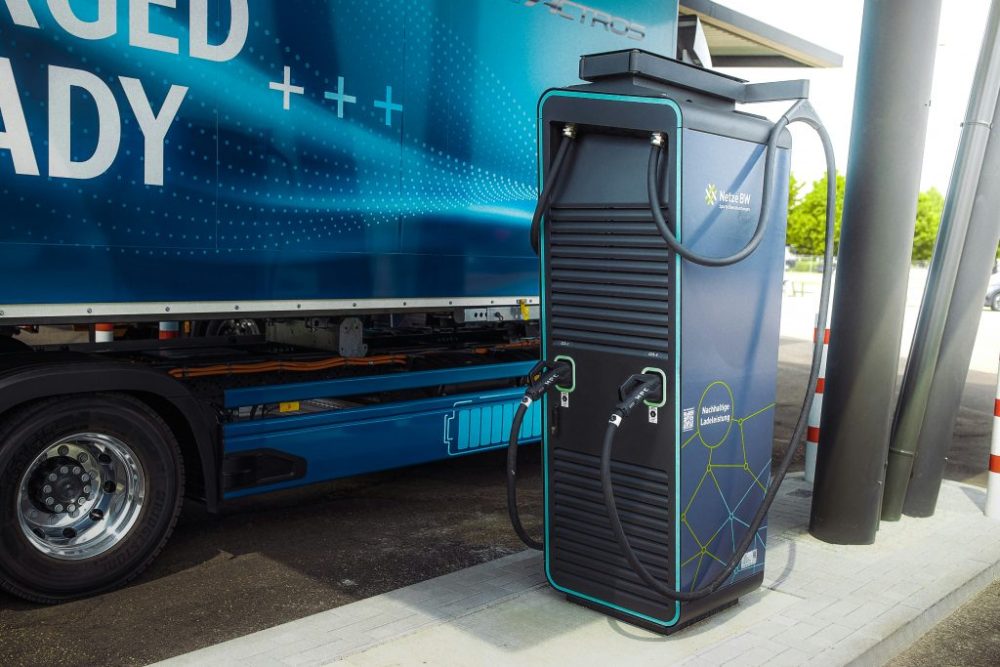
Depot charging - e-mobility for commercial vehicles
Depot Laden uses standby times at central base stations to charge NFZ fleets cost-effectively through intelligent load management and dynamic tariffs. This significantly reduces operating costs compared to diesel.,
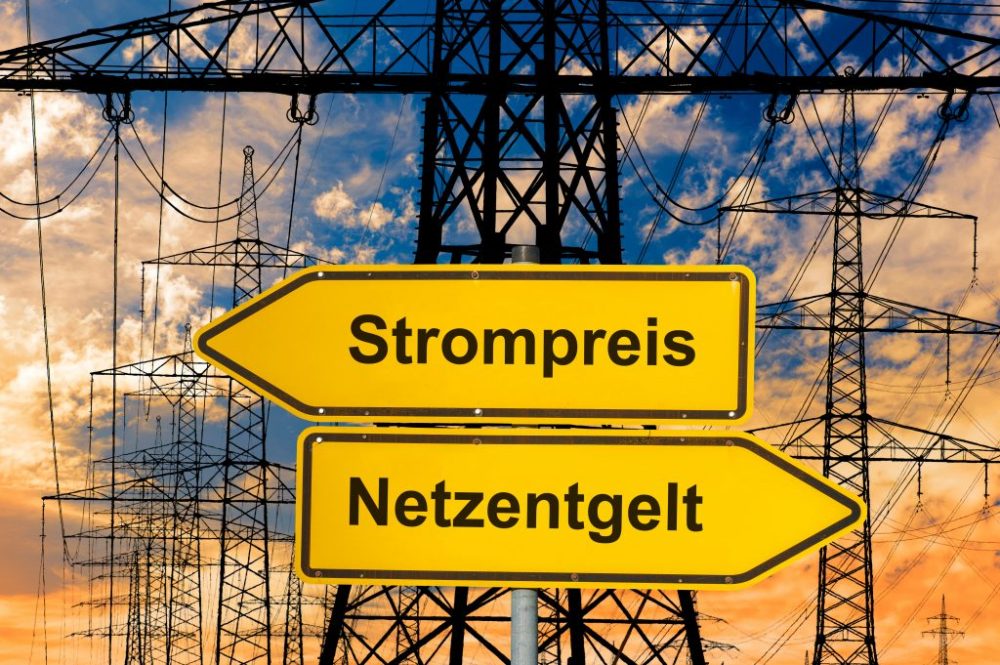
Overview of reforms starting in 2027
Our whitepaper for download explains which three key reforms will change the economic framework for PV and battery storage projects in Germany from 2027 onwards – and why.
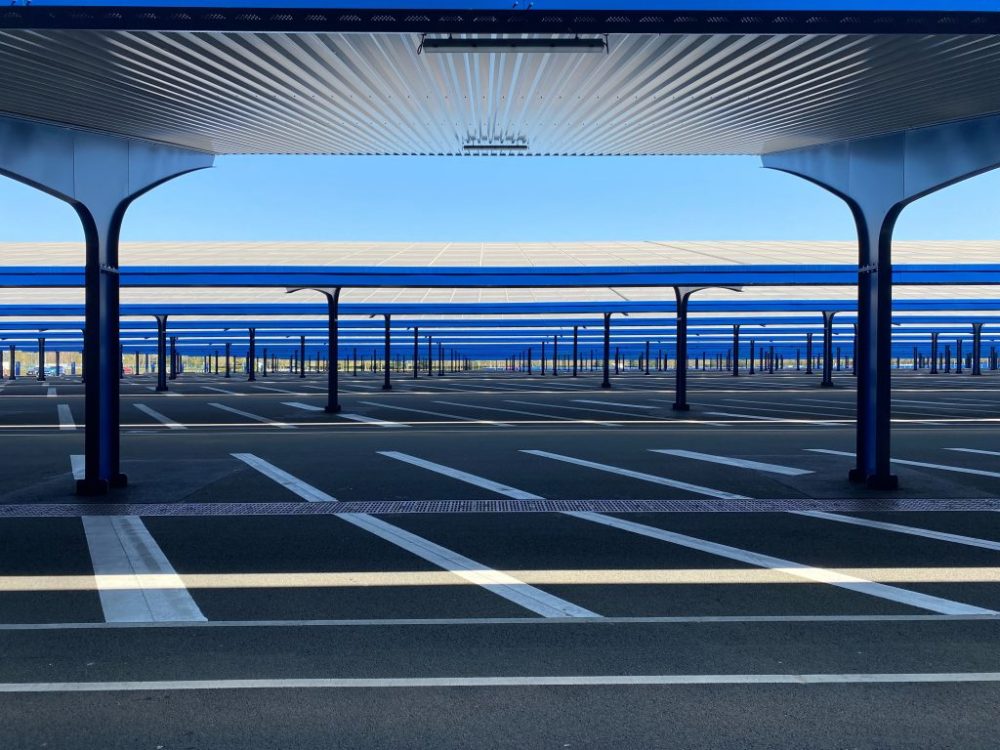
PV roofs & solar carports for companies
Whether protection for the fleet or innovative Agri-PV: Our whitepaper provides you with a comprehensive compendium of the potential and financing options for solar roofing.
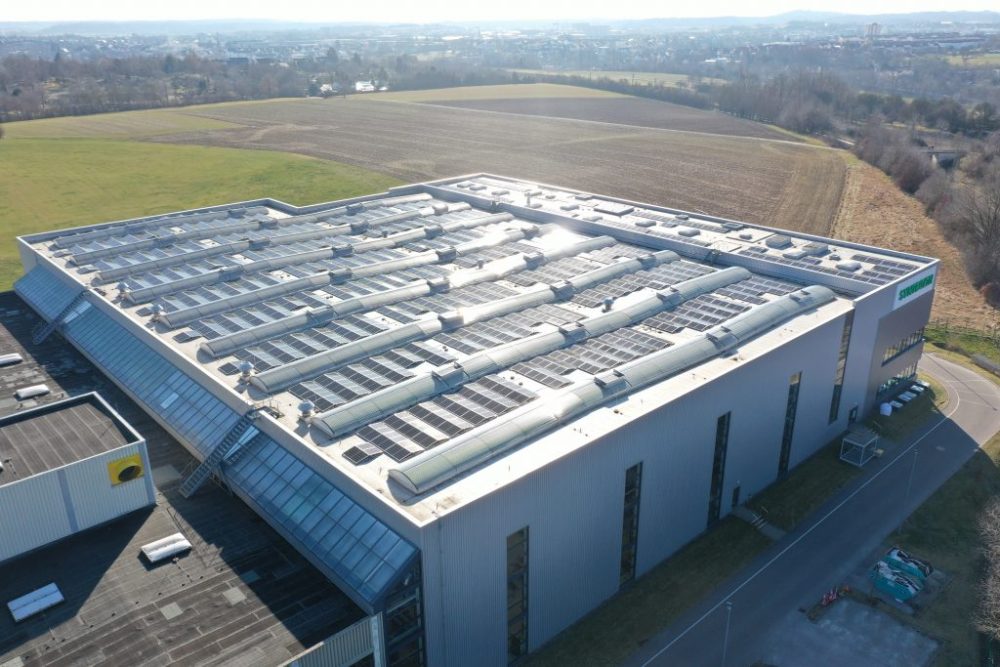
Suitable commercial and industrial roofs for PV systems
From the appropriate roof shape to taking wind and snow loads into account: Our guide provides informed decision-making assistance for companies on their journey towards sustainability.
