





Photovoltaics · Multiple locations · starting at 1 GWh PV surplus per year
Cross-site power supply: solar power for all your sites with IEPD™
With IEPD™ (Intelligent excess power distribution), companies with multiple sites use the solar power from their photovoltaic systems within their own company, including where it is not generated. A balancing group delivers the surplus of one site via the public grid to your other sites instead of feeding it in and selling it to third parties. The partners of CUBE CONCEPTS take care of the balancing group, forecasts and control.
up to 100 %
of the PV electricity in your own company
from 1 GWh
PV surplus in the year
1 balancing group
for locations and subsidiaries
Roof area
Instead of consumption locally, the size of the installation determines the amount
Home " Photovoltaics " Cross-site power supply
Table of Contents
ToggleRoof area and power consumption rarely match
A photovoltaic system is usually designed for the consumption of its own site. Whatever the site does not consume itself goes into the grid and only earns the revenue on the electricity market or the EEG remuneration. At companies with several sites, large roof areas therefore often remain unused, for example on a warehouse with a lot of roof area and little consumption, while a plant with high consumption keeps buying power.
With IEPD™, you plan the photovoltaic systems according to the suitable roof area, not according to on-site consumption. The solar power one site does not need is used by your other sites. This reduces the power drawn from the grid and improves the CO₂ balance of the entire company.
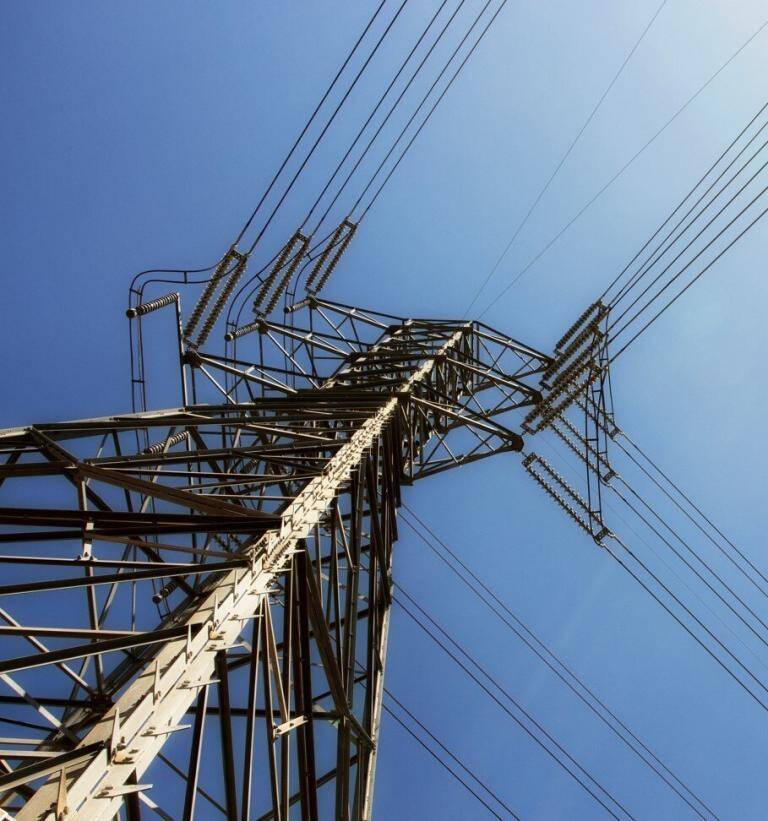
IEPD™ connects your sites and directs solar power to where it is needed
Who IEPD™ is for
For groups with branches and subsidiaries and for companies with several industrial and commercial buildings. CUBE CONCEPTS offers IEPD™ together with its partner network from an annual PV power surplus of one gigawatt hour.
Process and technical implementation of IEPD™
How IEPD™ works
Technically, cross-site power supply is made possible by a balancing group. The partners of CUBE CONCEPTS take on these tasks.
01
Plan systems by roof area
The photovoltaic systems are designed according to the suitable roof areas of all sites. The basis is the load profiles of the sites and the expected generation.
02
Set up the balancing group
A balancing group account is set up with the transmission system operator, supplier framework agreements are concluded with the distribution system operators and the feed-in and withdrawal points are defined.
03
Forecasting and control
A balance responsible party manages the balancing group with daily forecasts and the consumption of all participants measured every quarter hour.
04
Supplying your sites
The surplus flows via the public grid to your other sites. You do not need your own energy specialists for this.
Your benefits with IEPD™
01
Up to 100 % PV electricity in the company
The solar power from your systems stays within your own company instead of being sold to third parties.
02
Use all suitable roofs
Sites with low consumption also contribute to the company's supply with their roof areas.
03
Less residual power from the grid
Every kilowatt hour of solar power used by another site replaces power you would otherwise buy.
04
CO₂ balance across all sites
The solar power improves the environmental footprint of the entire company, not just of one site.
05
Guarantees of origin possible
If the system receives no EEG support, guarantees of origin can be issued for the solar power supplied.
06
No in-house specialists needed
The balancing group, forecasts and control are handled by the partners of CUBE CONCEPTS. You focus on your core business.
What applies to supply via the grid
With on-site self-consumption, the power does not flow through the public grid. With IEPD™, it does. This results in four points that CUBE CONCEPTS checks for your sites.
Grid fees and levies
Grid fees and grid-related levies apply to the solar power supplied. IEPD™ pays off when the solar power is worth more at the supplied site than the revenue from feeding it into the grid.
Electricity tax
Electricity from systems up to 2 MW can be exempt from the electricity tax if it is consumed within the spatial context of the system. The customs administration bases this on a radius of 4.5 km. Companies in the manufacturing sector will pay a permanent fee of 0.05 ct/kWh after relief on application, instead of the standard rate of 2.05 ct/kWh from 2026 onwards.
Guarantees of origin
For solar power without a feed-in tariff and without a market premium, the guarantee of origin register of the German Environment Agency issues guarantees of origin. They prove that the power supplied comes from photovoltaics. With EEG support, this is ruled out (ban on double marketing).
Supply to other companies
If one company supplies another, such as a subsidiary, this is a supply of power to third parties. The obligations of an energy supply company then apply, including reporting and notification obligations. CUBE CONCEPTS clarifies with you and the partners who takes on which role.
FAQ
Frequently asked questions about cross-site power supply
What is IEPD™?
Who benefits from IEPD™?
How does the solar power reach the other sites?
Do grid fees and electricity tax apply?
Do the supplied sites receive guarantees of origin?
Do we need our own energy specialists?
How do we get started?
Use solar power for all your sites.
CUBE CONCEPTS reviews your sites, load profiles and roof areas and shows you whether cross-site power supply with IEPD™ pays off for your company. The initial consultation is free of charge and non-binding.
Further content
